.png)
BangladeshNationalist Party-BNP

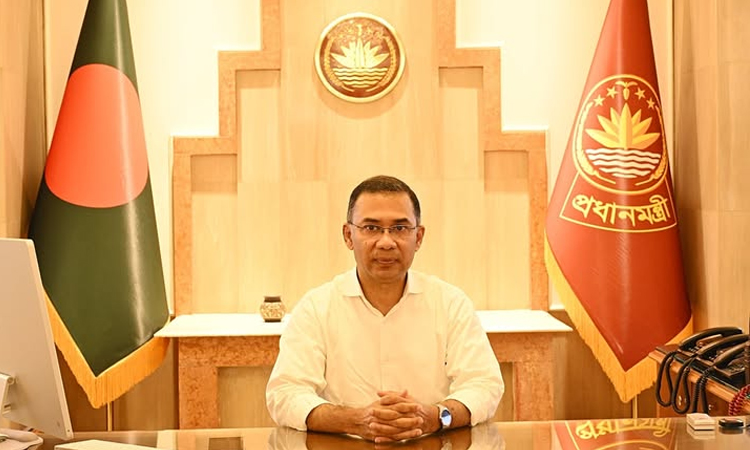
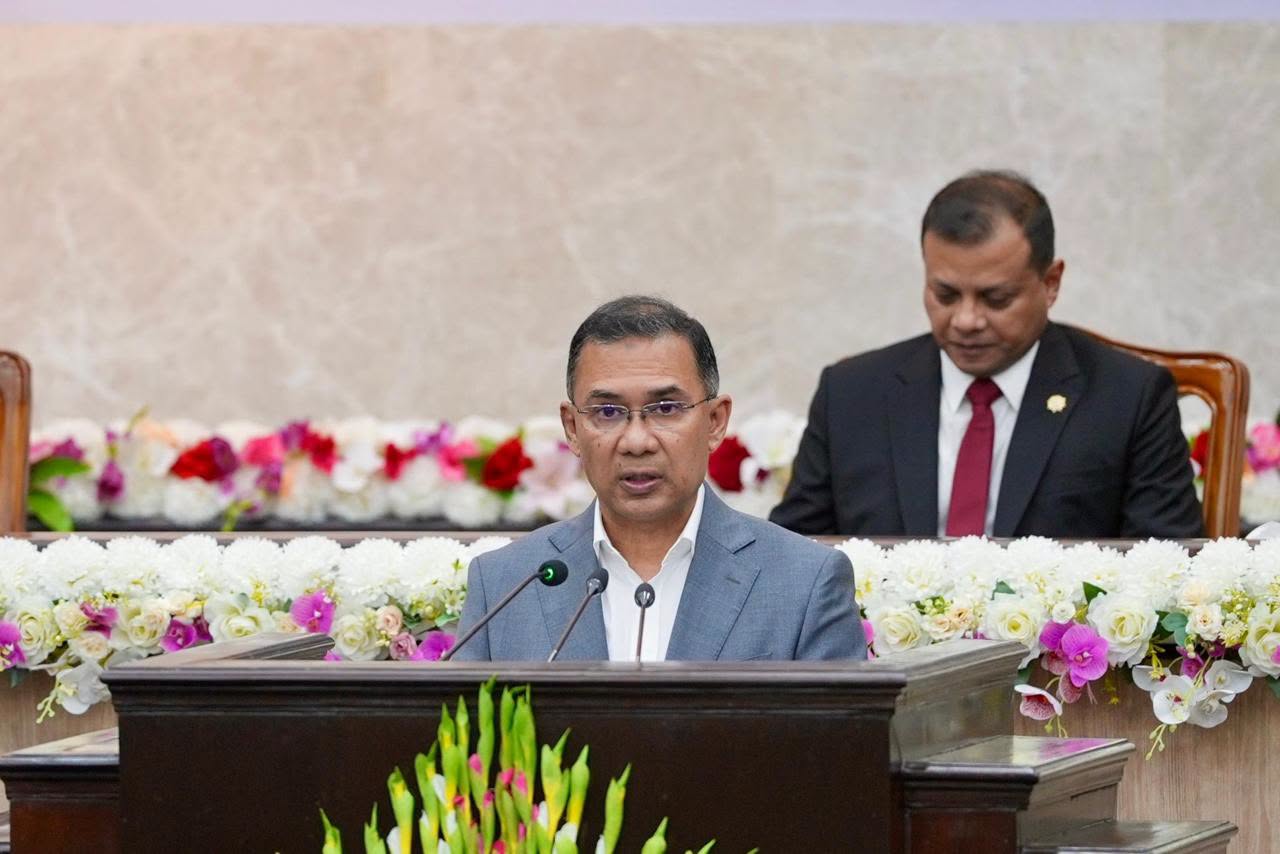
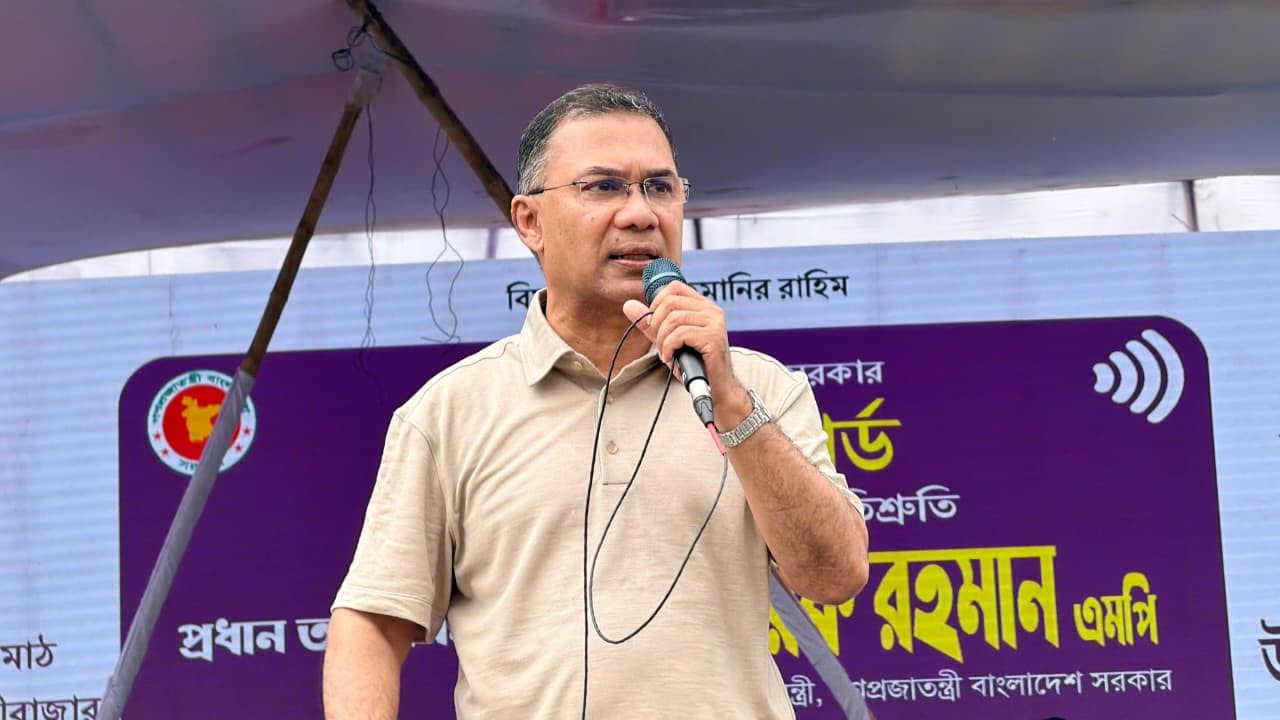
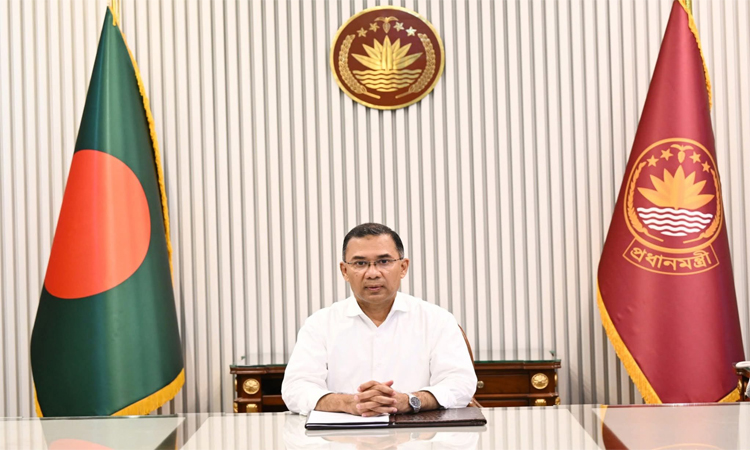
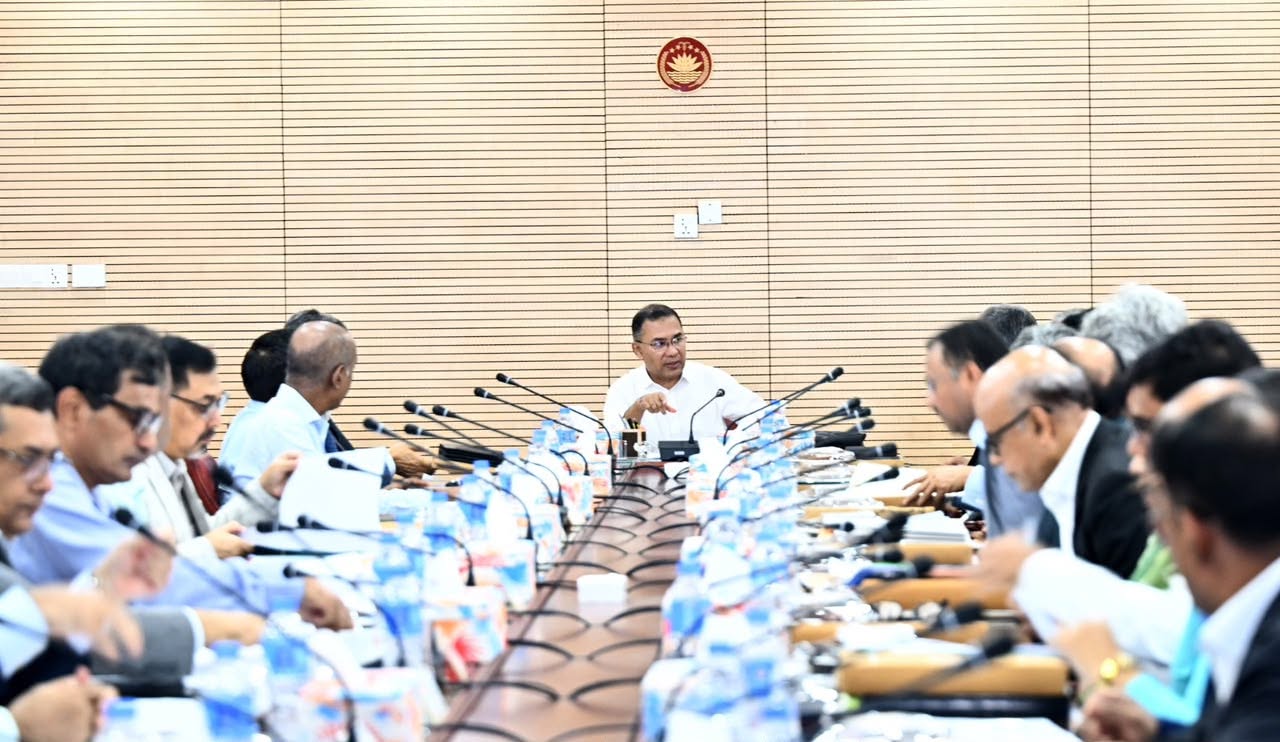
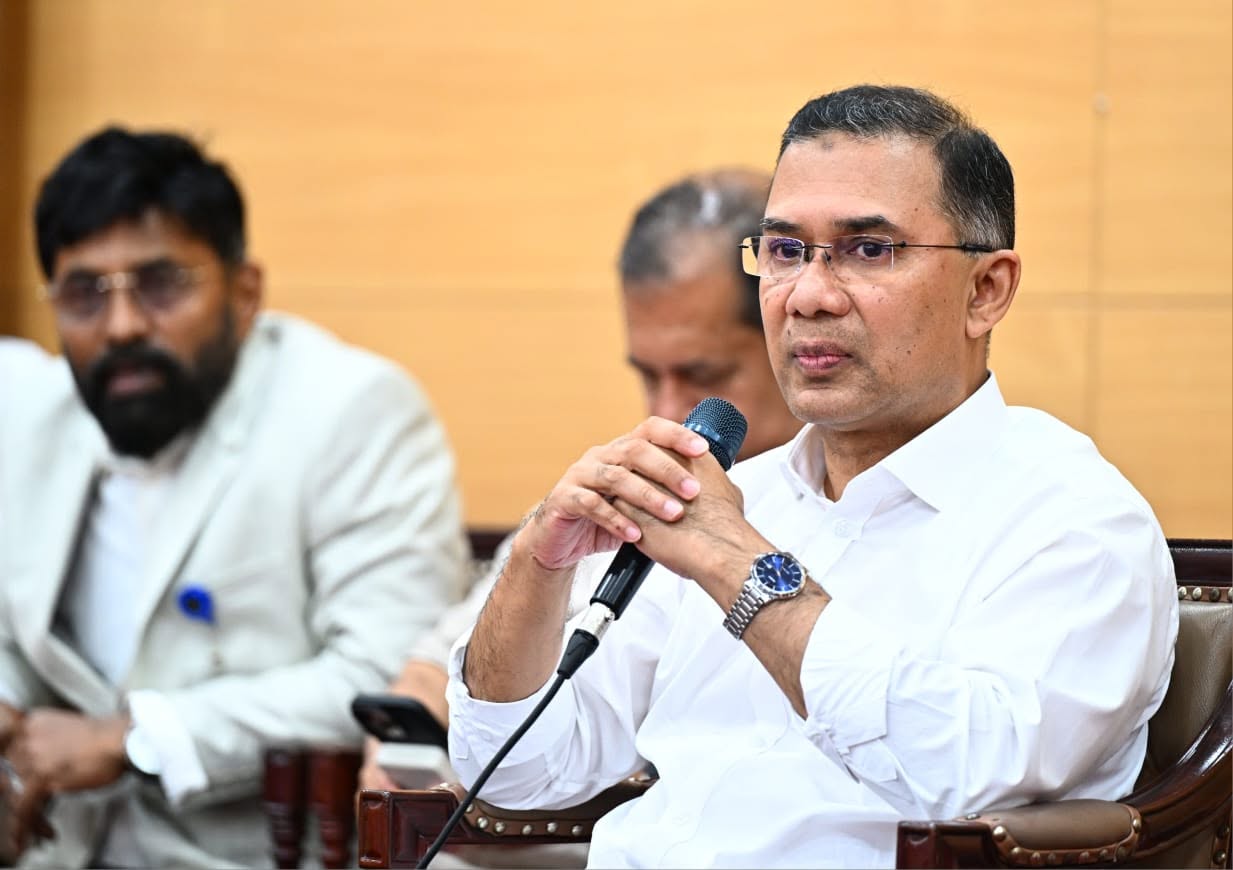
Prime Minister and Leader of the House Mr. Tarique Rahman has said that Bangladesh is one of the most disaster-prone countries in the world due to its geographical location, dense population, extensive river network, and coastal characteristics. To address the adverse impacts of climate change, the government has undertaken multifaceted action plans and initiatives in the water resources sector.
The Prime Minister made these remarks in a written reply to a starred question from Md. Robiul Awal, a ruling party Member of Parliament from Tangail-6, during the question-and-answer session designated for the Prime Minister in the Jatiya Sangsad today.
The Prime Minister said that climate change is increasing the frequency and intensity of disasters such as cyclones, storm surges, floods, flash floods, river erosion, droughts, excessive rainfall, lightning strikes, heatwaves, and salinity intrusion. These disasters are adversely affecting people’s lives and livelihoods, agriculture, infrastructure, the environment, and the economy.
He said that addressing climate change has been given special importance in the current government’s election manifesto. To this end, various initiatives have been undertaken in the water resources sector, including the implementation of the Padma Barrage, the Teesta Master Plan, river erosion prevention measures, flood protection projects, and programs to reduce salinity in agricultural land.
The Prime Minister informed the House that on 13 May 2026, the first phase of the Padma Barrage Project was approved at a cost of BDT 343.47 billion. Once implemented, the project will increase water storage and flow in the Padma River during the dry season, reduce salinity intrusion in the southern region, help restore the ecological balance of the Sundarbans, and ensure irrigation facilities and water security. In addition, the project has the potential to generate 113 megawatts of hydropower and contribute an additional 0.45 percent growth to the national GDP.
He further stated that the program titled “Nationwide Excavation and Re-excavation of Rivers, Canals, Water Channels and Reservoirs” is being implemented to increase the use of surface water, improve irrigation and drainage systems, and enhance agricultural production.
Highlighting other government initiatives to address climate change risks, the Prime Minister said that a program to plant 250 million trees will be implemented over the next five years. In addition, tree fairs are being organized at national, divisional, district, and upazila levels, alongside a three-month nationwide tree plantation campaign.
He said that the Bangladesh Climate Change Trust is implementing various action plans with priority given to research, innovation, training, and extension activities. Under these initiatives, natural reservoirs are being developed in coastal areas for rainwater harvesting, climate adaptation capacity is being strengthened, safe livelihoods are being ensured, and protective measures are being undertaken for women, children, fishermen, and other professional groups.
The Prime Minister said that sustainable embankments, cyclone shelters, and early warning systems will be further improved to address cyclones and storm surges.
He further informed the House that, with support from the Asian Development Bank (ADB), an initiative has been taken to formulate the “NAP Investment Roadmap” for implementing the National Adaptation Plan (NAP), prepared under the United Nations Framework Convention on Climate Change (UNFCCC).
Mentioning that the government has begun formulating the Third Nationally Determined Contribution (NDC 3.0) to reduce greenhouse gas emissions, he said that a target has been set to meet 25 percent of total electricity demand from renewable energy sources by 2035. In addition, four waste-to-energy plants, 26 integrated landfill and resource recovery facilities, and afforestation and reforestation programs covering 100,000 hectares in coastal and island areas will be implemented.
The Prime Minister also stated that work has begun on formulating the Long-Term Low Emission Development Strategy to reduce carbon emissions over the long term.
He said that a comprehensive Carbon Market Framework has been developed under Article 6 of the Paris Agreement, which will make Bangladesh’s participation in international and voluntary carbon markets more transparent and well-organized.
The Prime Minister said that disaster management has been transformed from a relief-dependent approach to a risk-reduction-based management system. As a result, loss of life and property during disasters has been significantly reduced, and Bangladesh has gained international recognition as a successful model in disaster risk management.